My Photo

David's Portfolio

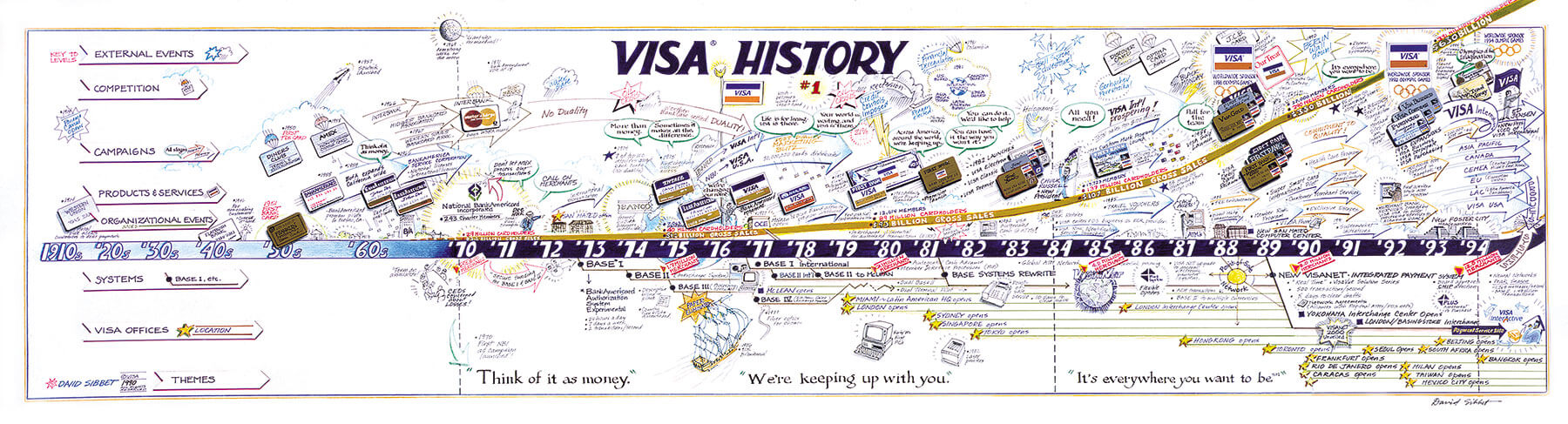
  • Visa History
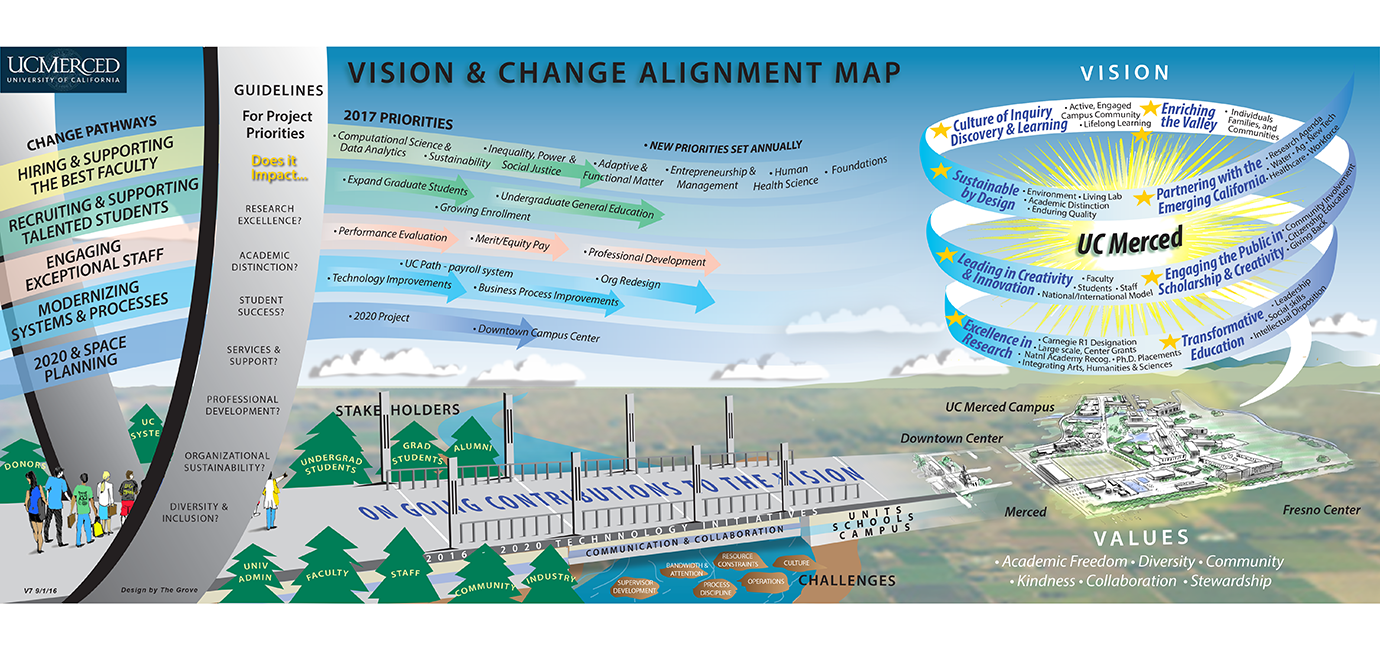
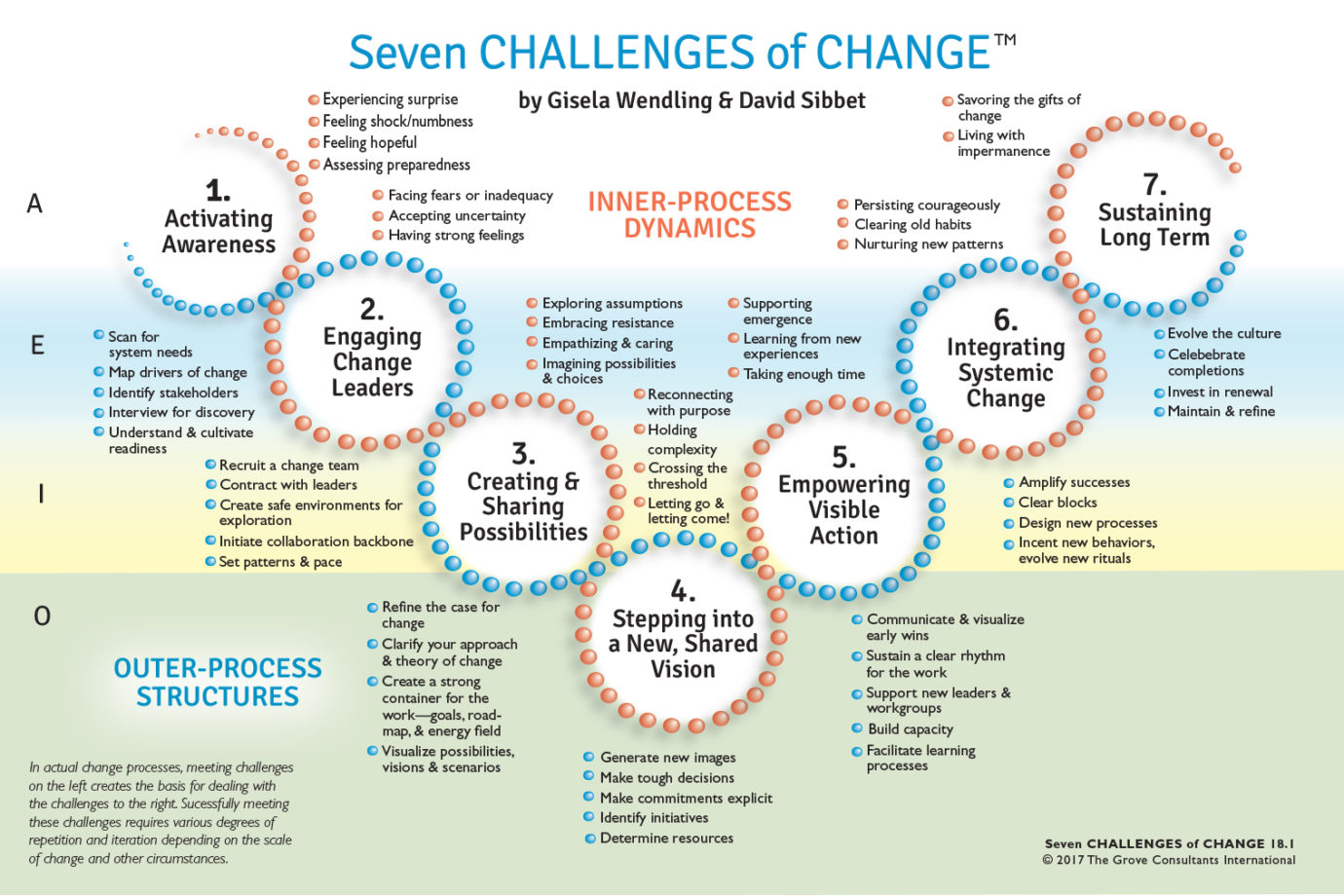
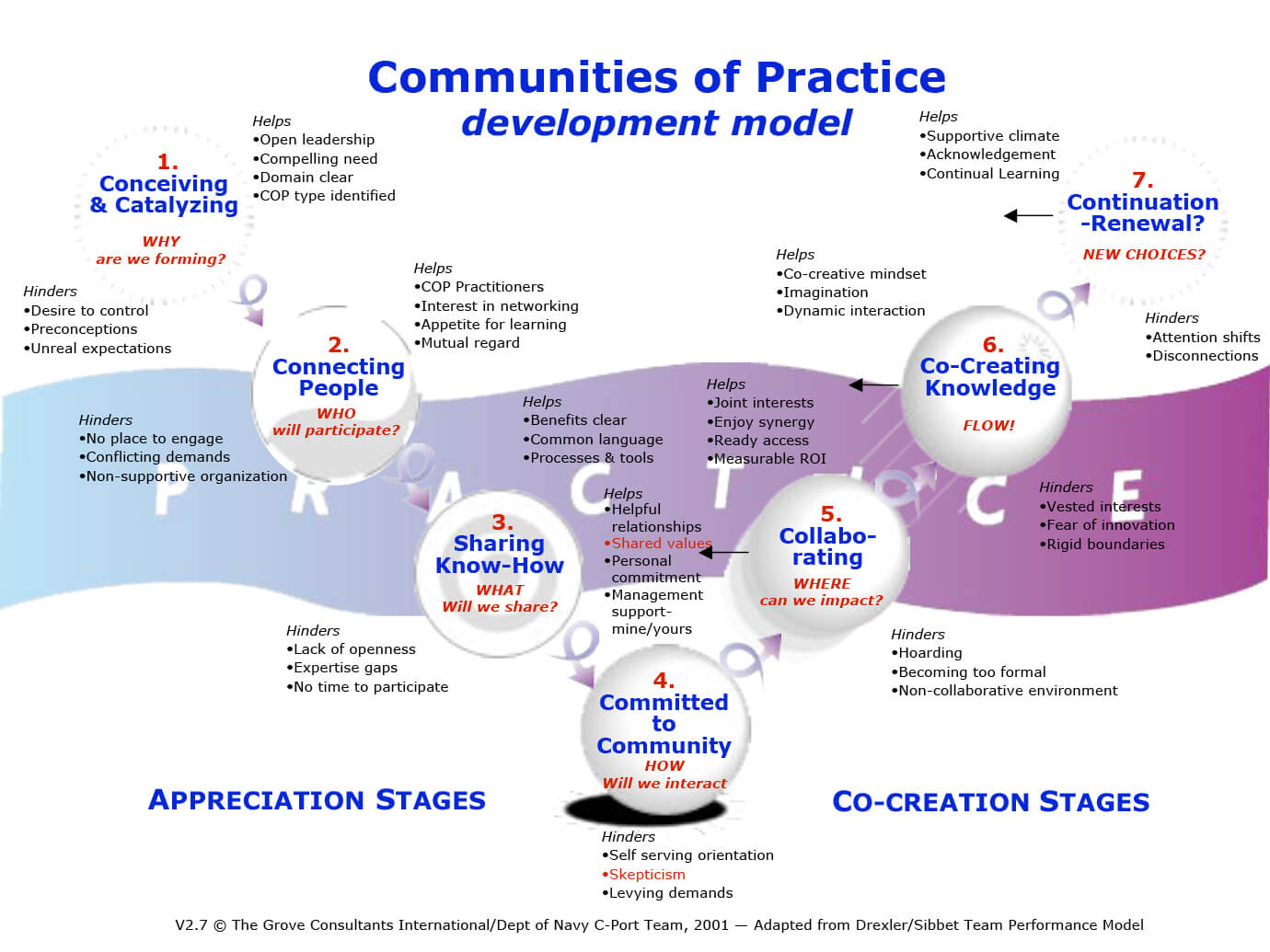
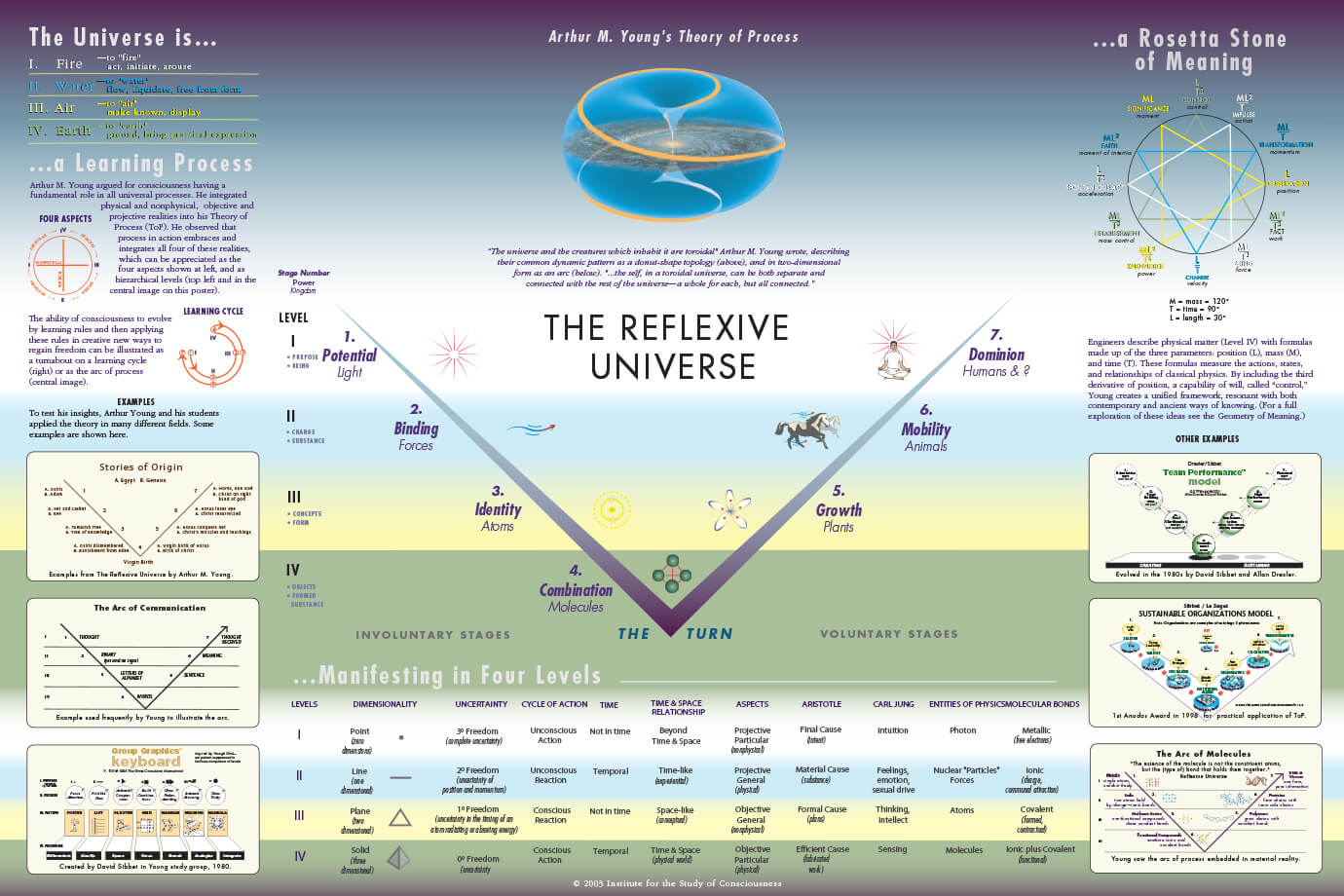
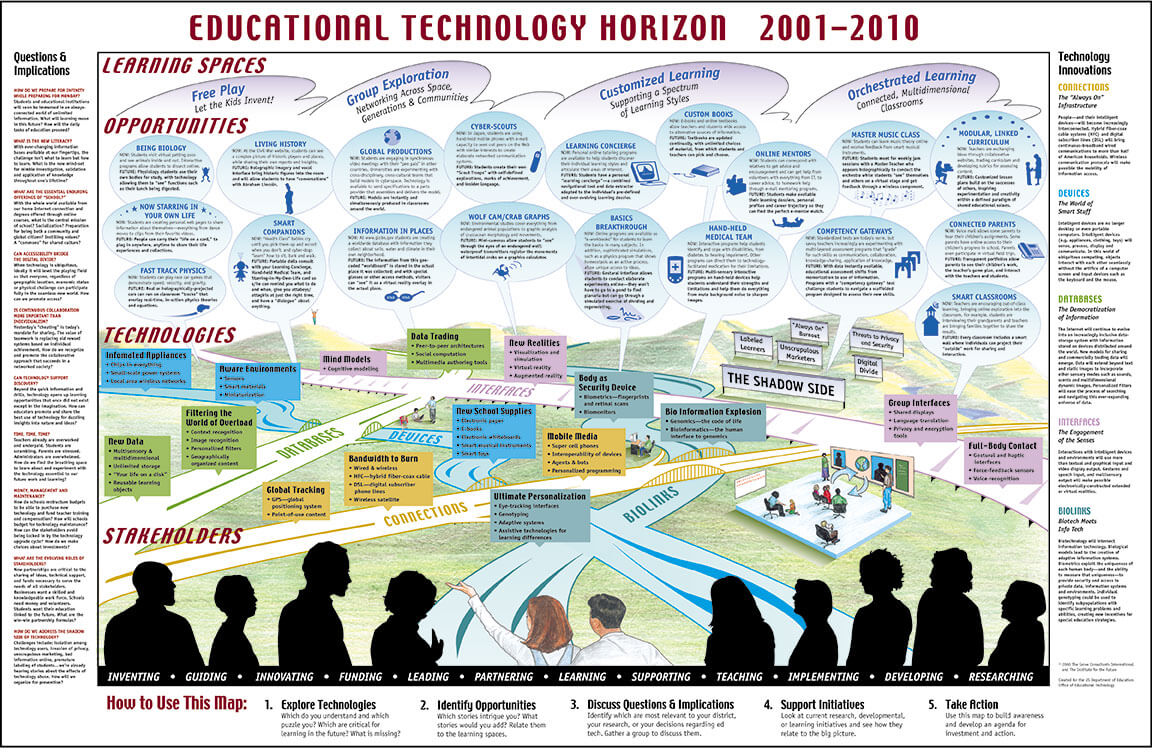
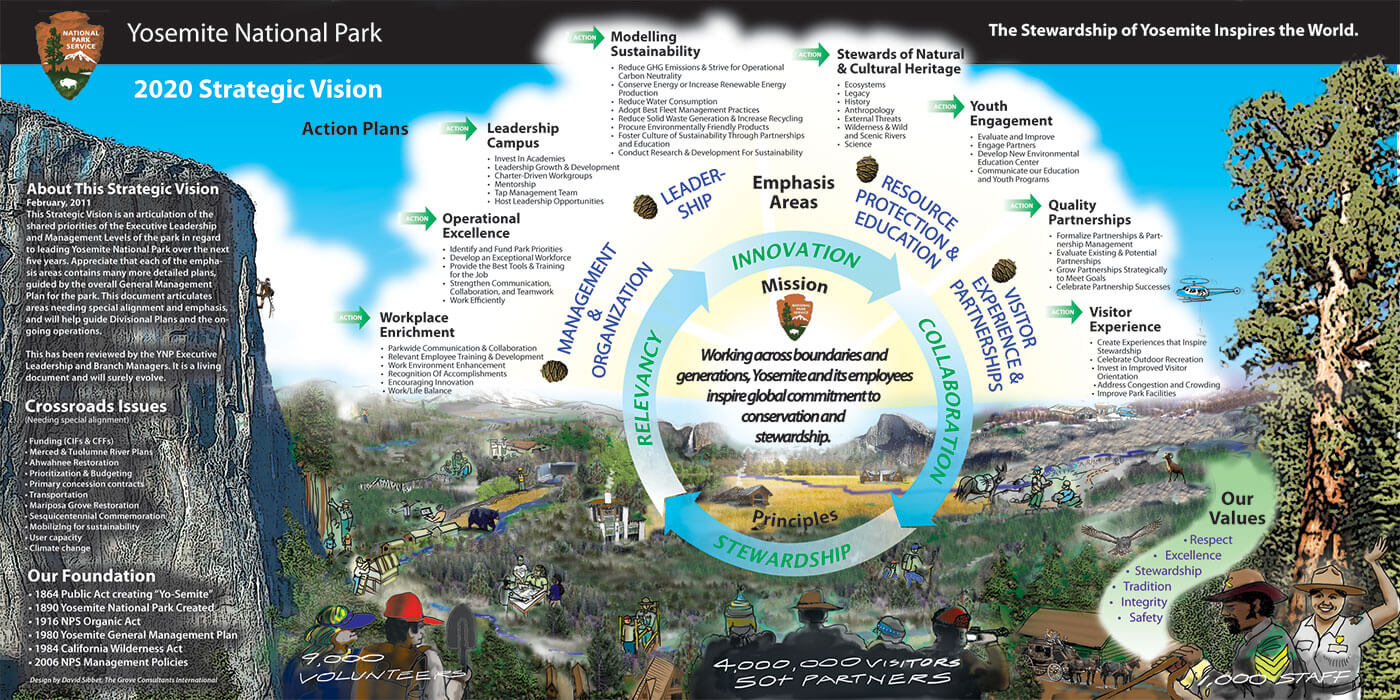
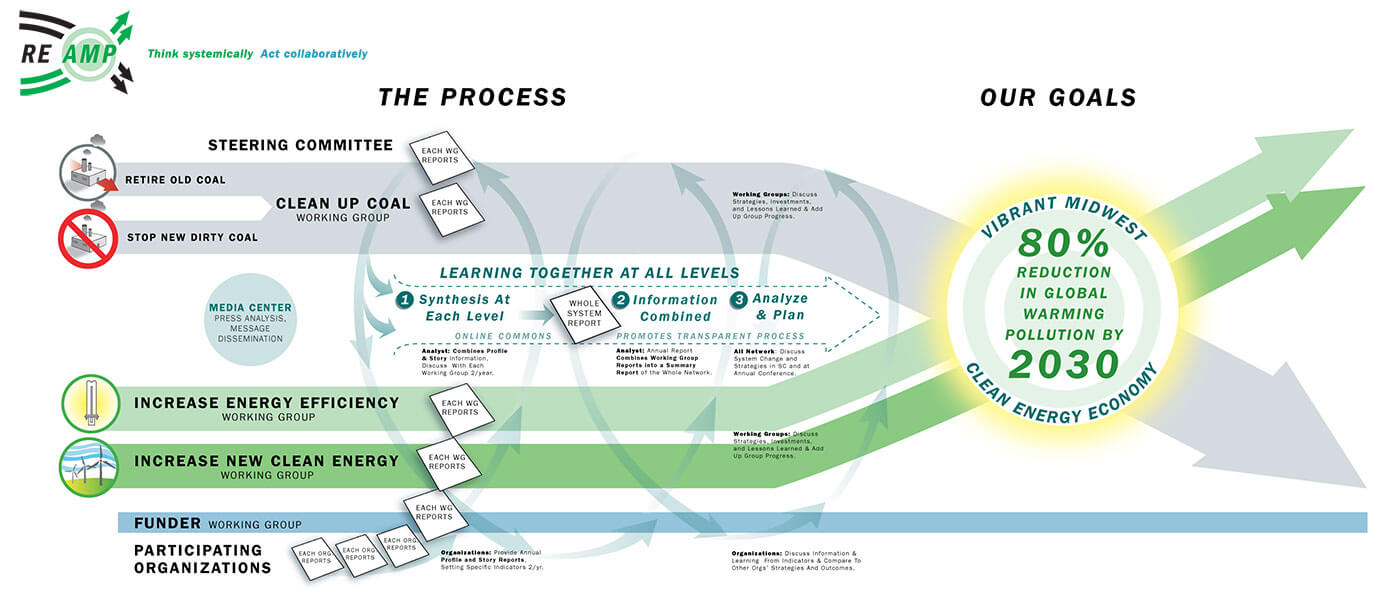
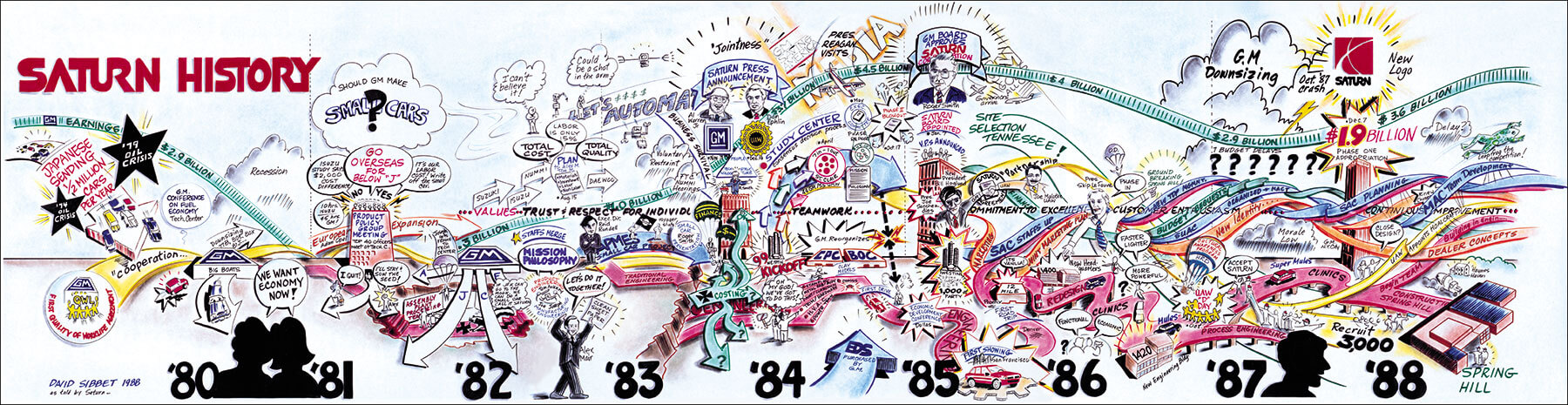
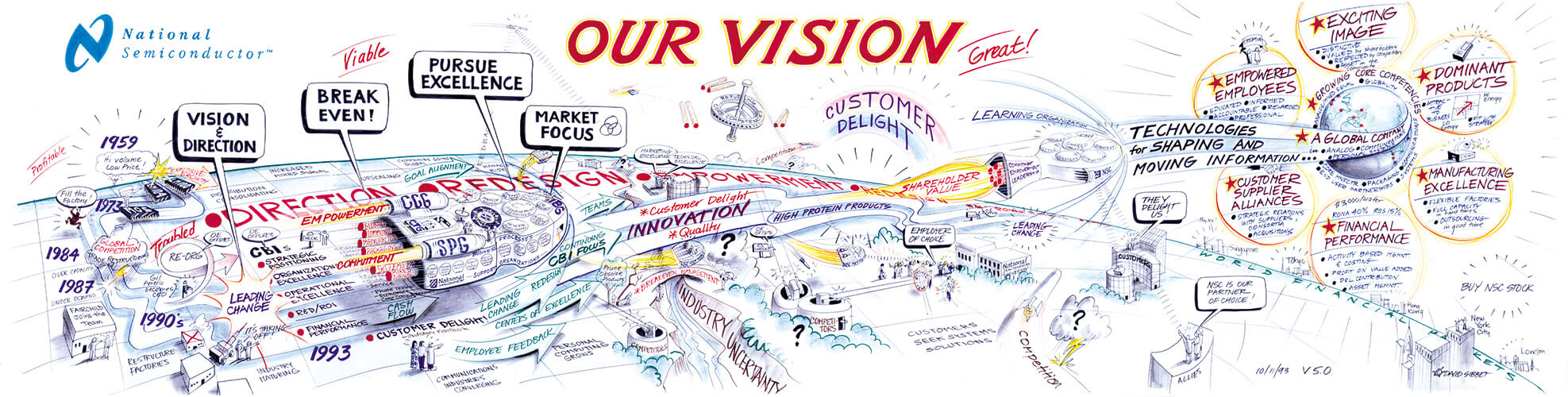
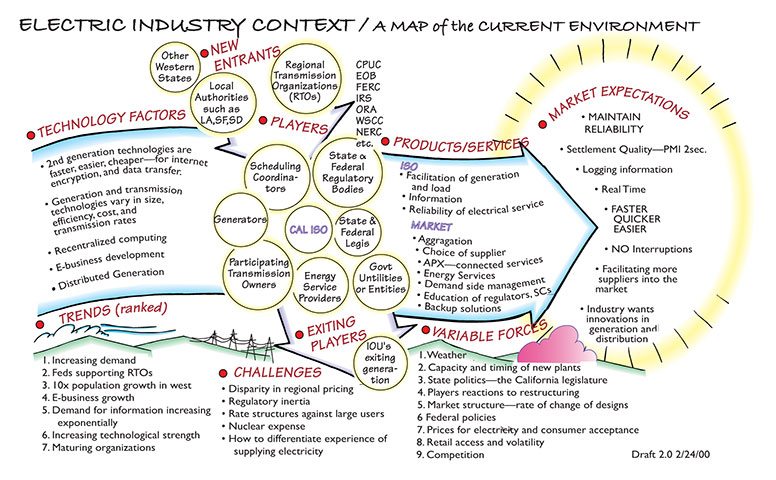
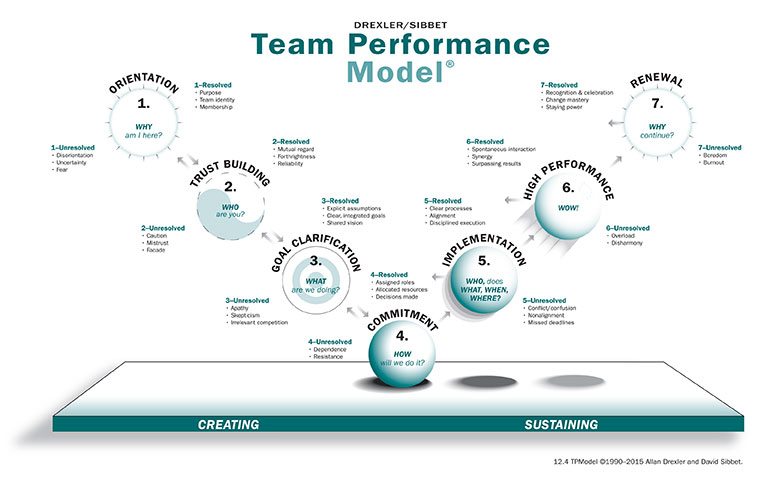
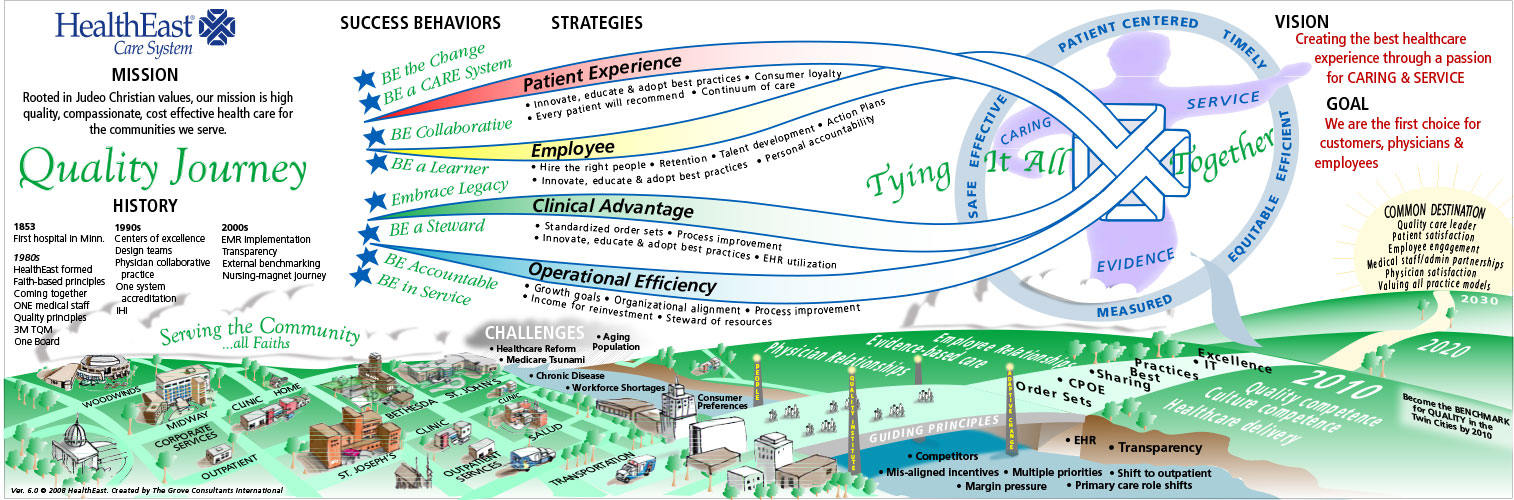
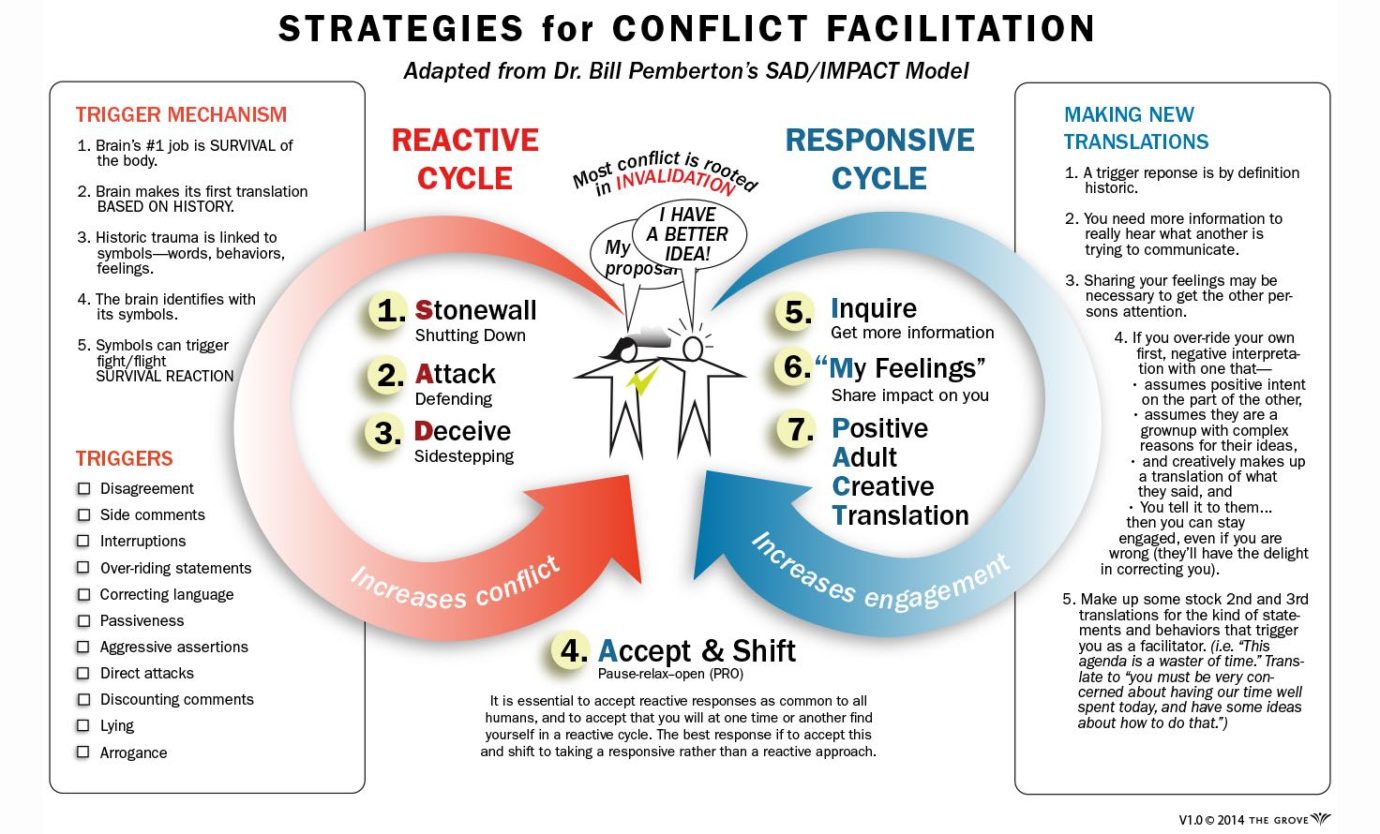
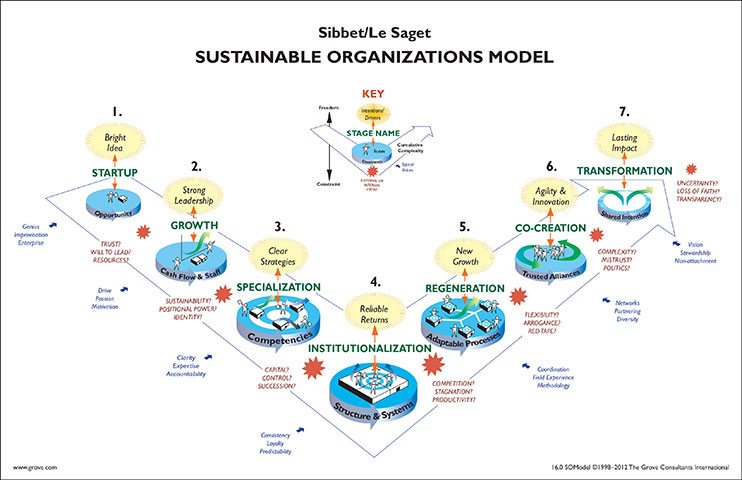
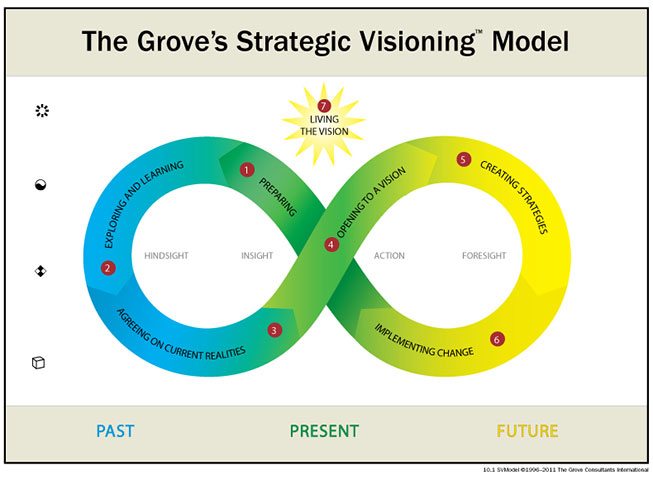
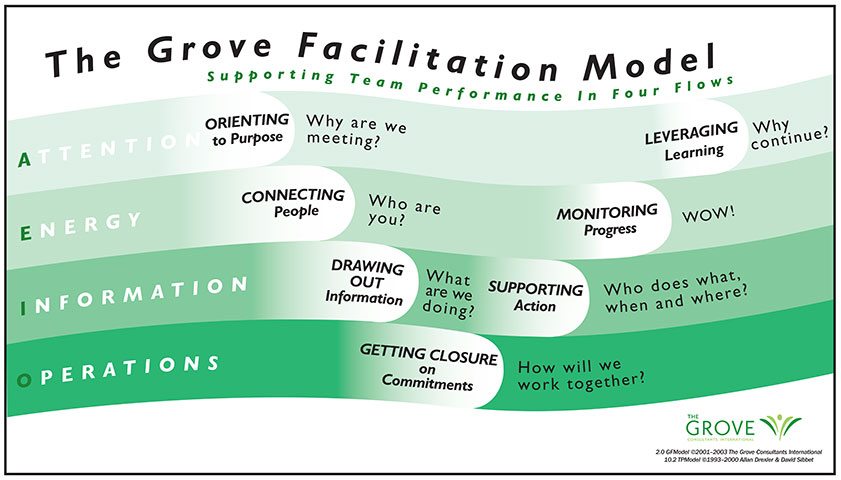
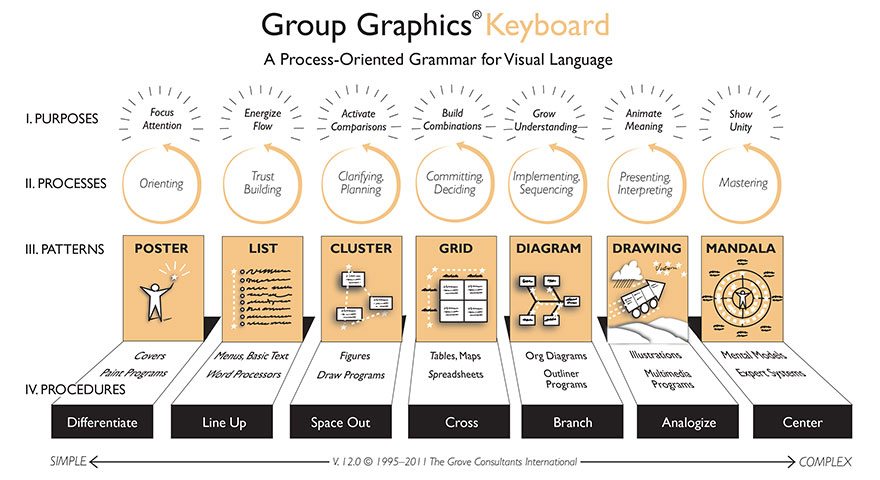
    I selected the following large Storymap's as representative examples of my information design work at The Grove where I was the lead designer. Each of them were critical in moving us to another level of confidence and excitement about this big picture way of working. What these photos do not show, of course, is the rich process of facilitated design meetings that we led as a way of generating this material. The value of these sessions to client organizations is huge, as a wonderful, safe way to lead people into created a common story to which everyone can commit.

My Strategic Visioning Collaborators

  • Meryem Le Saget
    I've included this photo album of some of the people in The Grove's associate network that use our facilitation and Strategic Visioning methods integrally in their work. They are my teachers and I theirs. Collaboration networks are behind most truly innovative, robust methodologies, and our is no exception. Claiming credit as an individual would be like a tree claiming credit for the forest. If you aren't here and know that you should be, send me you picture and a writeup and I'll post it.

Partners for Change Model

  • Sustainabilityplayersmap
    These are two supportive visuals for a Partners for Change model I co-designed with Sissel Waage and Ruth Rominger. It shows how we would bring multiple sustainability researchers and activists together around critical issues and support them to create collaborative efforts in media and tool creation.

Reclaiming Ceremony

My heart is still singing from the four-day retreat I and 35 other colleagues spent in the redwood forests of Ben Lomond this summer solstice. We met at Sequoia Retreat Center, a truly sacred place. It was my eighth year participating. Each time the experience deepens.

The energy in this year’s gathering went up an octave—perhaps because of the crises in confidence the world now faces, perhaps because a core group of us has stepped across a threshold of withholding into true ceremony, perhaps because of forces we cannot explain. But these two weeks after returning have been filled with reflections about all that happened, and especially  the evening of Medicine Wheel dancing that is the turning point of the experience. I felt like our community reclaimed something deep and fundamental, and experienced true ceremony.

MedicineWheelJournal

During one of my reflective times I drew this pen and chalk drawing of the dance, without thought of sharing, just so I could relive the experience. The image has come alive for me. There is something about the energy of line and patterns that re-evokes some of the magic. I have no idea if it will do that for you, but I feel called to try and bring it alive a bit in words. Something happened this time that all of us need more of. Perhaps in sharing those of you who feel called to similar experiences will step into them.

Continue reading "Reclaiming Ceremony" »

Alice Opal — An Enlightened Being

There is nothing like the birth of a new baby to remind us of how radiantly we all come into the world. As I entered the labor recovery room SnugglingWithDad at Kaiser’s Sunnyside Hospital in Portland I saw this first image of my new grand daughter, little Alice Opal Sibbet. She was only 10 hours old, nestled up against her father, my youngest son Phil. My whole being filled with light.


Continue reading "Alice Opal — An Enlightened Being" »

An Unforgettable Commencement Address

My nephew Logan Sibbet graduated from the University of Portland May 3 and sent me this commencement address delivered to his class by Paul Hawken. It touched me deeply and I would like to share it as widely as possible.

Paulhawken_frontpage_140

When I was invited to give this speech, I was asked if I could give a simple short talk that was "direct, naked, taut, honest, passionate, lean, shivering, startling, and graceful." Boy, no pressure there.

But let's begin with the startling part. Hey, Class of 2009: you are going to have to figure out what it means to be a human being on earth at a time when every living system is declining, and the rate of decline is accelerating. Kind of a mind-boggling situation. but not one peer-reviewed paper published in the last thirty years can refute that statement. Basically, the earth needs a new operating system, you are the programmers, and we need it within a few decades.

"The earth needs a new operating system, you are the programmers, and we need it within a few decades."

Continue reading "An Unforgettable Commencement Address" »

Preparing for the Summer Solstice

Every year at the Summer Solstice a growing network of us gather in a mountain retreat center near Santa Cruz and invite in directions for the new year. In preparing this weekend I was reading over my journals, and came across this collage I did a year ago at our Facilitation Mastery workshop at Islandwood Conference Center on Bainbridge Island, Washington. My colleague Laurie Durnell led the process, and I'd like to share it here so you could do something yourself around the Solstice if you wish.

IAmStandingFreeCollage

Continue reading "Preparing for the Summer Solstice" »

Remembering Brian O'Neill—Who Lived and Modeled Partnership

Brian O'Neil Brian O’Neill, Superintendent of the Golden Gate National Recreation Area since 1986—one of the longest serving National Park Service superintendents—died May 13, 2009 from a complication following a heart operation. He was 67 years old, and a legendary public servant. I wrote the following piece in memory of what he taught me about partnership over many years of working together. We will all miss him terribly. His life and work will be celebrated this Friday, May 29, in a memorial service at Crissy Field in San Francisco.To read more about Brian see the GGNRA website: In Memory of Brian O'Neil.

Brian O'Neill lived partnerships! As an organizational consultant for more than 35 years I've seen many, many leaders talk about collaboration, authenticity, empowerment and partnering, but few modeled it like Brian. This post is in gratitude for the vision and energy he shared with so many of us.

Continue reading "Remembering Brian O'Neill—Who Lived and Modeled Partnership" »

Thinking About Frames: Is Process a Swoop or an Arc?

Upon reading a George Lakoff critique of the “framing” in eco America’s new report on global warming (see recent post) I experienced a flash of insight in regard to a puzzle that’s been nagging at me since hearing Otto Scharmer talking about Theory U at a recent Thought Leader Gathering in San Francisco (see my post on Theory U). TheoryUGraphic The graphic visualization of Theory U is what I would call a “swoop”, a compelling little visual shown here. Why did Arthur M. Young, my teacher about Process Theory, insist process should be visualized as a “turn” or “V?” as illustrated below? In our study group with Arthur we would often argue with folks who wanted to visualize it as a smooth arc rather than 90oTTOPArcFB

This may seem like an abstract puzzle, but Lakoff’s article suggests otherwise. He states without qualification that cognitive scientists agree that “frame circuits” in the cortex and nervous system guide our sense perceptions, and that these are held in place by values. The frames that keep getting reinforced in our experience become hard wired. They become the window through which we look through when we see—the directional microphone through which we hear—the guide to what we touch and sense. (Of course “frame” itself is a frame, or what many would call a metaphor). A common sense interpretation is that we assess the value of a painting or picture as much by its setting, its “frame,” as by the work itself.

Continue reading "Thinking About Frames: Is Process a Swoop or an Arc?" »

Coro's Graduation: A Personal Adventure in Immersive Learning

I was very moved and challenged by the invitation from the 2009 Coro Fellows Class to be their graduation speaker. It said “we as a class have decided that we would like to have a speaker at our graduation that can represent our experiences as Coro Fellows.CoroGraduation I felt confident about this part since I was a Coro Fellow in Los Angeles in 1965, then on the staff from 1969 through 1977 in San Francisco, and on the Board in the 1990s and now again in the late 2000’s. I understand what it feels like to have a series of very disparate internship and projects experiences in government, business, labor, media, politics, and community organizations and try and make sense of the larger system. That’s what the 12 Coro Fellows do for nine months, along with the 66 different Tuesday evening and Friday seminars held to make sense out of it all.

But the invitation went on. “After more discussion, we decided we wanted a speaker that could address the crowd from a number of different viewpoints from within the program.” This was less clear. What did they mean by “different points within the program.” I immediately thought of the levels of experience the group of 12 invariably encounter. One is the diversity of points of view the different Fellows bring, gathered as they are from around the country. In this class Nicholas, who wrote the invitation, was from New York City. I knew another was from North Dakota, Andrea, who I talked to during the reception, was from Virginia. But they might have meant the different sector perspectives, or did they mean different levels of human perception—physically, mental, emotional, spiritual? Okay, I definitely could at least honor a multi-perspective perspective.

Continue reading "Coro's Graduation: A Personal Adventure in Immersive Learning " »

Why Framing Matters: Lakoff Critiques ecoAmerica Report

"Framing" or the understanding and creation of values-based nueral circuits in the brain that govern our perception and understanding of public issues, is a critical skill for our times. George Lakoff, a cognative scientist at UC Berkeley, is a leader in this effort. His recent critique of an ecoAmerica's report "Climate and Energy Truths: Our Common Future," is worth a read. His post is called "Why Environmental Understanding, or 'Framing,' Matters: An Evaluation of the ecoAmerica Summary Report."

Stumbling Into the Future

I kicked back on Friday evening and found a fascinating panel hosted by the Commonwealth Club in San Francisco and archived on FORA TV called "Innovation and Opportunity from Crisis." It is well worth viewing. I was hooked by the fact that one of my colleagues and friends, Paul Saffo, a forecaster and strategist with over two decades experience exploring long-term technological change, was one of the panelists.

Innovation&Opportunity

Continue reading "Stumbling Into the Future" »

Hi Tech Roots of Group Graphics™

Dave Davison, Silicon Valley angel investor, entreprenuer, and Innovation Labs supporter, sent me this picture from the early days of Group Graphics™, embedded in a paper by Fred Lakin. (Check this link) Group Graphics is the name of the system Fred Lakin, Geoff BaDSin1975ll and I invented in the mid-1970s as a grammar for visual language, and is the core methodology in The Grove's approach to graphic facilitation. it had its roots in  Doug Englebart's experiments with augmented human intellect, and Ball's contention that a "working group memory" was an essential tool for group cognition. I've been pursuing these themes ever since, even though I don't have that nice shock of dark brown hair anymore!  Fred's still pursuing the deep structures of visual language and applications like "live visual blogging."

Connecting With Source—Experiencing Theory "U"

Otto Scharmer ignited the Thought Leader Gathering at Fort Mason, San Francisco, today with his sharing about the application of Theory “U” to social transformation. Craig and Patricia Neal, the Heartland Circle sponsors, expanded the meeting to 110 people because of the interest in Otto’s work. As conversation starter, Otto’s job was to catalyze our thinking and conversations in wisdom circles and a larger group circle dialogue that followed. He really delivered.(He's third from right)

OttoScharmer

Continue reading "Connecting With Source—Experiencing Theory "U"" »

New Career Compass Published

Tiffany Forner, our art director at The Grove, has just released the Career Compass she has been working on with Mary Robins, a professional career counselor, for the last two years. It's a real leap forward for The Grove, in that the workbook is expressedly designed to integrate with all the standard kinds of evaluation and reference tools used in the field of career counseling.Career-Compass-Cover It contains 10 brand new templates for developing one's ideas. What I really love is the packaging format.  It's in a white plastic box, with all the fold-out templates removable from a slick ring binder. The instructions sheets are also removable. All the pieces can be ordered in multiple copies for counselors who want to use them in classes. It's thorough enought that it can also be used without a counselor helping. 

Could there be a better time to have this product come out. Check out a full description at the following link. Career Compass.

50 Great Examples of Infographics

Stuart Silverstone, graphics scout extraordinaire and author of Snippets, a digital news service of clips he provides, sent me a link to a wonderful collection of infographics. Many are under Creative Commons licenses. Some are copyrighted, so I'm not sure what it means to put a link to them here, but that's the edge we're all exploring. Thanks to Francesco Mugnai for assembling this.I loved this one called "Inside Dylan's Brain." Click here to see the whole collection.

Dylan'sBrain


On Being San Franciscan

The Grove is beginning a new project business planning with the San Francisco Film Society. They plan to take over the historic film theater located on the Main Post, creating a home for this vibrant organization, recently expanded as it takes over the programs of the Film Arts Foundation. As a result we attended the open of the San Francisco International Film Festival at the Castro Theater. It proved a doorway into a truly indigenous, San Franciscan experience.

The opening featured La Mission, a film by Peter Bratt about the gritty, colorful Mission District in San Francisco. His brother Benjamin stars in a story of pride, redemption, violence, and the power of community.

Peter and Benjamin grew up in the Mission. Their intent was to portray universal themes through as authentic a context as they could create. And the context is vibrant—graphically mirrored by close-ups of the Mission murals threading through the opening credits. (This one, called Maestrapeace, is a on the Women's Building in the Mission).


Sf-mujeres-muralistas

Continue reading "On Being San Franciscan" »

Spring Visions in Baltimore

I’m always stunned by spring in Baltimore, and not just by all the trees that break into a riot of blooms at this time of year. For 23 years in April I’ve been going back to facilitate the annual Visioning Retreat for the Leadership program run by the Greater Baltimore Committee. Fifty five leaders from public, private, and community organizations participate in the one year program, one of the most evolved in the country for people who are still full time employed. It’s a cross gender, cross race, maximum diversity group. If you’ve ever watched The Wire you’ll appreciate just how tough things are for many in this city. But there is another side, which is the incredible resourcefulness of local leadership as they struggle to deal with problems. It is these “buddings” that inspire me the very most.

We begin the retreat with an introductory exercise on a big bird’s eye mural of Baltimore that I create the evening before. We ask “what would you support or change” and everyone introduces themselves with their offering. I record it all, and this is the result. It hangs up the rest of the retreat as everyone focuses on what is being called for from them as leaders.

Full Leadership Mural

Continue reading "Spring Visions in Baltimore" »

Web Based 3D Platform Review

Eilif Trondson, a colleague working at SRI on their Virtual-Worlds@Work project, let me know about an article Jon Brouchoud wrote recently about emerging 3D browser-based worlds. He reviews MellaniuM3Dxplorer, Unity3D, and ExitReality from the perspective of someone supporting architects using virtual worlds for collaborative design. I think he's scouting a phenomenon that will reach far beyound that field. Check his review at The Arch. JohnBrouchoud (Keystone Bouchard is his Second Life name).

At the same time Eilif send his e-mail I heard about another 3D concept about to launch from the UK called me2everyone.com. Our South African colleague Helene Kieser of Inside-Out informed me of this one. It looks like a virtual version of a multi-layered marketing company, viral-on-viral. Check it out. Meanwhile Second Life continues to attract more day-to-day users—50 to 80,000 logged on at any one time (discounting a growing number of "bots" that are parked to create the illustion of activity. Oh well.)

"Credit Crisis" in Graphics

Here is an amazingly clear video-graphic explanation of the credit crisis, courtesy of Chor Pharn Lee, a young futures analyst I met in my recent Graphic Facilitation Trainings in Singapore. He's been tracking the meltdown and writing about it in his blog, Futures Group. This particular animation was created by Jonathan Jarvis as part of his Master's Thesis at the Art Center College of Design in Pasadena, CA. Wish we had this treatment for possible solutions. -

Visualizing Sustainability

Merc Martinelli, CEO of a Verdafero, a new startup focusing on green business, sent me this incredible website that has collected 138 illustrations of sustainability concepts. SunWheel(See Computing for Sustainability's Visualizing Sustainability post). Here is a sample. But trust me, this is a full panorama from simple to complex, mapping onto every conceivable base map. I've contended for a long time that a sustainability mindset requires systems thinking, and that systems thinking requires visual thinking—even if the display is just between your ears. (You can't understand relationships if you don't have some display structure to illustrate the elements that are in relationship.) This collection is a great testimonial to that assumption!! 


Intention Guides Visual Perception

Colin Ware provided the keynote at this year’s VizThink conference in San Jose and a follow-up workshop on “How Do Patterns Structure Visual Thinking.” He’s a researcher from the University of New Hampshire and quite academic, but in his talk I found validation for a growing consensus that intention is the key player in perception.

He began with an inquiry into the primary uses of visual language. I took a lot of notes, which you can read here if you click to magnify. But then he went to the findings from his research.

ColinWareJournalPage

Continue reading "Intention Guides Visual Perception" »

2008: The Great Disruption Begins

Sometimes people just say it right. Thomas Friedman did in this column for the New York Times.

By THOMAS L. FRIEDMAN

Sometimes the satirical newspaper The Onion is so right on, I can’t resist quoting from it. Consider this faux article from June 2005 about America’s addiction to Chinese exports:

FENGHUA, China — Chen Hsien, an employee of Fenghua Ningbo Plastic Works Ltd., a plastics factory that manufactures lightweight household items for Western markets, expressed his disbelief Monday over the “sheer amount of [garbage] Americans will buy. Often, when we’re assigned a new order for, say, ‘salad shooters,’ I will say to myself, ‘There’s no way that anyone will ever buy these.’ ... One month later, we will receive an order for the same product, but three times the quantity. How can anyone have a need for such useless [garbage]? I hear that Americans can buy anything they want, and I believe it, judging from the things I’ve made for them,” Chen said. “And I also hear that, when they no longer want an item, they simply throw it away. So wasteful and contemptible.”

Let’s today step out of the normal boundaries of analysis of our economic crisis and ask a radical question: What if the crisis of 2008 represents something much more fundamental than a deep recession? What if it’s telling us that the whole growth model we created over the last 50 years is simply unsustainable economically and ecologically and that 2008 was when we hit the wall — when Mother Nature and the market both said: “No more.”

Continue reading "2008: The Great Disruption Begins" »

Your email address:


Powered by FeedBlitz


Powered by Rollyo

David's Visitors